Exploring the Architectural Essence of Dar Al Riffa
Intro
The Dar Al Riffa building stands as a striking landmark in the shimmering cityscape of Dubai. Its architectural prowess not only graces the skyline but also serves as a testimonial to the continuous evolution of building styles in the region. For many observers, it may simply seem like another structure, yet for those in the know, it embodies a rich tapestry of design philosophies and cultural significance. This exploration delves into the visual journey of Dar Al Riffa, uncovering key points about its design elements, its resonance within the realm of Dubai’s real estate sector, and the broader cultural implications that come alive through its presence.
A casual glance at Dar Al Riffa might evoke thoughts of modernism, yet its design intertwines traditional motifs with contemporary aesthetics, showcasing not just what it is, but what it represents. With a keen focus on the intricate features that adorn the façade, and the functionality that underpins its very essence, we will unravel how this building has cemented its place among the most admired architectural accomplishments of the region.
Whether one is considering investment opportunities in Dubai's booming real estate market, or simply appreciating architectural beauty, the story of Dar Al Riffa invites deeper contemplation. As we meander through its halls, we aim to engage investors, agents, analysts, expatriates, and prospective buyers alike, offering insights that transcend basic visual appreciation and connect on a more meaningful level.
In the coming sections, we will illuminate current trends in the Dubai real estate landscape, touch upon advice for novice investors, and provide a glimpse into what the future holds. As we embark on this analytical voyage, let us begin with an in-depth look at the market insights that shape the context for understanding Dar Al Riffa.
Prelims to Dar Al Riffa
Understanding Dar Al Riffa is significant for appreciating the architectural narrative of modern Dubai. This building goes beyond mere aesthetics; it is a testament to the region's rapid evolution and the blend of culture and contemporary design. Investors and enthusiasts alike can find intrinsic value in analyzing its architectural style, material choices, and the messages it conveys about Dubai's aspirations.
Defining Architectural Significance
Dar Al Riffa serves as a landmark in Dubai's architectural landscape. It embodies a fusion of traditional and contemporary styles, creating a visual dialogue that speaks to both history and innovation. This building isn’t just about its physical presence; it's about how it interacts with its surroundings and the urban fabric of the city. When one looks at its facade, the choice of materials reflect the local heritage while maintaining a futuristic outlook.
The significance of its design choices becomes evident when considering usability. How the layout fosters community interaction can’t be overlooked. Spaces aren’t only designed for aesthetics; they function to enhance the human experience, providing comfortable settings for socializing, working, and living.
"Architecture is the thoughtful making of space."
This quote resonates deeply when viewing Dar Al Riffa. The building makes a thoughtful contribution to the space it occupies. Its strategic positioning and design are not just practical; they are intentional, inviting visitors to explore, engage, and reflect. Investors, in particular, should note how the structure's significance extends to potential value appreciation, given its thoughtful design that aligns with Dubai's ambitious vision.
Historical Context
To appreciate Dar Al Riffa fully, understanding its historical context is essential. The architectural style of the building emerges from decades of cultural shifts and architectural experimentation in the region. The evolution from traditional structures that once characterized Dubai to the contemporary styling seen today mirrors the city's journey towards modernization and globalization.
The late 20th and early 21st centuries saw Dubai experience a building boom, coinciding with its emergence as a global city. This transformation brought diverse influences that are visible in the design and construction of Dar Al Riffa. The intertwining of eastern aesthetics with western architectural principles offers a fascinating glimpse into the aspirations of a city that aims to project a futuristic image while respecting its heritage.
Factors such as economic evolution, urbanization, and globalization have all played crucial roles in shaping the historical narrative of this building. Investors, agents, and analysts must consider this context to comprehend not only the architectural style but also its potential impact on the real estate market.
In summary, the architectural essence of Dar Al Riffa stands as a symbol of cultural evolution and urban innovation, inviting stakeholders to delve deeper into its significance as a modern architectural marvel in Dubai.
Visual Analysis of Dar Al Riffa
The visual elements of Dar Al Riffa provide a compelling lens through which one can appreciate the intricate relationship between nature, architecture, and urban living. In the context of this article, the analysis of these visual components is vital as it lays bare the intention of the architects and designers behind the building. This section will explore how the facade, interior design, and surrounding landscape synergize to create a cohesive visual language.
Facade and Exterior Design
The facade of Dar Al Riffa serves not only as an outer shell but as a statement of purpose and identity. The use of smooth, contemporary lines and geometric patterns sets it apart from surrounding structures, beckoning attention and admiration. The materials chosen for the exterior play a significant role as well; glass panels reflect light, creating an illusion of spaciousness while blending seamlessly with the urban environment.
- Impact of Color: The subtle color palette – muted tones of beige complemented by accents of deep blue – evokes feelings of calmness, mimicking colors found in the natural landscape.
- Integration with Urban Elements: Large windows adorn the facade, establishing harmony with the environment, while also enhancing natural light within.
- Architectural Techniques: Employing the principles of biophilic design, the structure artfully incorporates natural elements, promoting well-being among occupants.
Interior Design Elements
Inside, the design ethos of Dar Al Riffa surfaces through a thoughtful selection of elements that marry form and function. Each room tells a story, interwoven with textures and materials that cater to the modern lifestyle of its inhabitants.
The interior is characterized by the following components:
- Open Floor Plans: They invite interaction and engagement while promoting optimal movement.
- Natural Lighting: Skylights and expansive windows create bright, airy spaces that enhance productivity and creativity.
- Cultural References: Local craftsmanship is evident in decor elements, honoring the rich heritage of the region while ensuring contemporary relevance. This attention to detail renders each aspect significant.
Overall, the interior reflects the evolving identity of Dubai itself, where tradition meets modernity, striking a balance that respects the past while embracing the future.
Landscaping and Surroundings
The landscaping surrounding Dar Al Riffa extends beyond mere aesthetics; it serves as an essential framework connecting the building to its urban context. Carefully curated gardens and green spaces punctuate the surroundings, providing a sanctuary amid the bustling environment typical of Dubai.
- Use of Native Plants: The choice of vegetation includes flora endemic to the region, minimizing water usage and ensuring sustainable growth.
- Recreational Spaces: Walkways and seating areas encourage social interaction among residents and visitors, promoting a sense of community.
- Balance with Nature: Water features within the landscape promote tranquility and serve as a visual focal point, grounding the structure while integrating it into the broader desert environment.
In essence, the visual analysis of Dar Al Riffa reveals how architectural decisions resonate with Dubai's cultural fabric, fostering a sense of identity and place. This careful consideration of aesthetics and function not only elevates the building's significance but also represents a larger narrative woven into the urban tapestry of the city.
Photographic Collection
The photographic collection of Dar Al Riffa serves not just as a visual treat but also as an exploration of its architectural significance. Photos capture the essence of a building's design, enabling viewers to appreciate details that sometimes elude the casual observer. In examining Dar Al Riffa, photographs open a window into its structural elegance, artistic expression, and cultural narrative.
Through these images, prospective investors, agents, and architecture aficionados can glean insights about the property’s value, aesthetic appeal, and overall impact on Dubai's fast-evolving skyline. Let’s delve into the specific categories that add layers to this visual journey.
Exterior Photographs
Exterior photographs of Dar Al Riffa are integral to understanding its architectural character. These images showcase the facade, which blends modern elements with traditional designs, creating a unique identity. The lighting, textures, and materials used in the exterior can be observed closely in these images, showing how they interact with natural light throughout the day.
In many ways, the exterior functions like a canvas that reflects the ambitions of contemporary Dubai. Some notable features in exterior photos include:
- Dynamic shapes: Sharp angles and curved lines that push the boundaries of conventional design, giving the building an avant-garde feel.
- Material contrast: Usage of glass, steel, and stone that epitomizes modern architecture while still paying homage to the rich culture of the region.
- Color Palette: Strategic use of color not only attracts attention but also harmonizes with the surroundings, enhancing the building's visual presence.
Interior Photographs
Moving inside, the interior photographs reveal layers of sophistication and meticulous design planning. Here, the arrangement of space, color schemes, and furnishings tell a story of luxury and comfort, aligning perfectly with the city’s upscale living standards.
These images are crucial in highlighting aspects like:
- Open floor plans: Providing ample space and light, making interiors feel airy and welcoming. This design choice is particularly appealing to potential buyers looking for modern living spaces.
- Luxurious materials: Photos display exquisite choices ranging from hand-crafted woodwork to intricate mosaics, reflecting high standards of craftsmanship.
- Cultural decor: Elements that incorporate local artistic traditions, giving a sense of identity to the living spaces while maintaining a globally appealing aesthetic.
Aerial Views
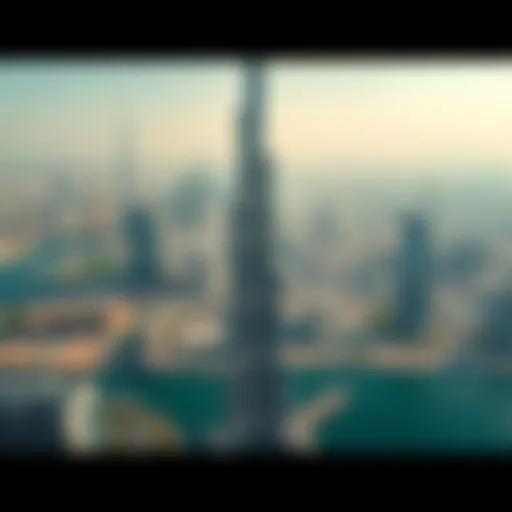
Aerial views of Dar Al Riffa present an entirely different perspective, perfect for understanding the project's relation to its urban context. These photographs highlight the structure's scale relative to its surroundings, providing insight into how it fits into the larger tapestry of Dubai’s architectural landscape.
Key highlights of aerial shots include:
- Strategic location: A view that situates Dar Al Riffa amidst other landmarks, showcasing its centrality and accessibility.
- Landscape integration: The incorporation of green spaces and water features around the building. This visual aspect enhances the livability of the area, which is particularly intriguing to investors focused on long-term growth.
- Dynamic spatial relationships: Observing the building from above allows for an understanding of how it interacts with other structures and communal spaces, indicating a well-planned urban environment.
In summary, the photographic collection is not merely about aesthetics; it serves as a profound exploration of Dar Al Riffa’s architectural essence. Each photograph, whether of the exterior, the interior, or captured from a bird's-eye view, contributes significantly to our understanding of this remarkable building. For more exploration into the architectural landscape in Dubai, consider resources like Wikipedia and Britannica.
Architectural Features
The architectural features of Dar Al Riffa stand as a testament to the ingenuity and craftsmanship that characterizes contemporary design in Dubai. These features are not merely aesthetic enhancements; they reflect a deeper connection to the cultural and historical context of the region while simultaneously addressing modern functional needs. Understanding these elements helps in appreciating how they contribute to both the building's identity and its purpose within the urban fabric of Dubai.
Materials Used
The choice of materials in the construction of Dar Al Riffa is pivotal to its architectural narrative. These materials do more than enclose spaces; they tell a story about sustainability, resilience, and aesthetics. For instance:
- Reinforced Concrete: A material that has become the backbone of modern architecture, reinforcing not only the structure's durability but also allowing for innovative design choices that defy conventional forms.
- Glass Facades: The extensive use of glass lends to a dynamic interaction between the interior spaces and the exterior environment. It reflects the ever-changing light of the Dubai skyline, creating a play of natural light that enhances the interior experience.
- Natural Stone: Incorporating stone elements contributes a sense of permanence and heritage. It establishes a connection to the traditional architectural vernacular, grounding the structure in its cultural roots.
All these materials blend to create a sophisticated exterior that captivates onlookers while addressing practical considerations like insulation and energy efficiency, vital in Dubai's climate.
Structural Innovations
In examining the structural innovations present in Dar Al Riffa, one must acknowledge how they challenge traditional notions of architecture. These innovations not only ensure the building's stability but also contribute to its striking visual appeal:
- Cantilevered Structures: The utilization of cantilevered designs enables the creation of overhangs that provide shade while making bold architectural statements. This is particularly beneficial in hot climates, offering outdoor areas that remain comfortable throughout the day.
- Smart Building Technologies: Integration of smart systems enhances functionality and livability. Features like adaptive lighting and climate control systems not only improve user experience but also reduce energy consumption.
- Modular Construction Methods: Employing modular methods can significantly cut down on construction time and waste, reinforcing the project's sustainability ethos while allowing for flexibility in the design process.
The structural innovations within Dar Al Riffa represent a convergence of technology and artistry, reflecting an architectural philosophy poised for the future.
Cultural Implications
Understanding the cultural implications of Dar Al Riffa is crucial for grasping its architectural essence. Buildings often serve as reflections of the societies that create them, and this structure is no exception. In the context of Dubai, a melting pot of traditions and modern influence, Dar Al Riffa encapsulates elements that resonate deeply with both local and expatriate communities. Not merely a home for luxury, it stands as a symbol of identity, progress, and shared values among residents.
Symbolism in Design
The design of Dar Al Riffa is rich in symbolism, reinforcing the cultural narratives of its environment. Elements such as intricate geometric patterns draw from traditional Islamic art, paying homage to the region's history while simultaneously embracing contemporary aesthetics. The use of archways, for example, harkens back to classical Islamic architecture, evoking a sense of belonging.
Additionally, the integration of open spaces with natural light sources emphasizes transparency and openness, mirroring the welcoming spirit of Dubai's diverse society. This design choice is fundamental—spaces that foster interaction among residents contribute to community cohesion. The meaningful incorporation of local vegetation in the landscaping design adds another layer of cultural significance, echoing the region's hospitality and connection to nature.
"Architecture is the art of how to waste space." – Philip Johnson
Community Impact
The impact of Dar Al Riffa on the surrounding community warrants attention, particularly regarding its economic and social effects. As a focal point in the area, it acts as a catalyst for growth, attracting not only wealth but also cultural exchange. The property elevates the status of its neighborhood and encourages investment, which results in improved infrastructure and services.
Community engagement is also vital; this architectural gem hosts events and activities designed to strengthen social ties among residents. It’s not just about luxury living—it’s about creating a harmonious society.
Moreover, the presence of this iconic building influences local businesses. Small shops and cafes nearby benefit from increased foot traffic, allowing them to thrive. As residents and visitors flock to the area, they contribute to a vibrant economy.
In summary, the cultural implications of Dar Al Riffa extend beyond mere aesthetics or design; they encapsulate the values, traditions, and aspirations of Dubai's society. The building serves as a canvas on which the story of a community is told, representing not only where people live but how they live and relate to one another.
Investment Opportunities
Understanding the investment opportunities surrounding Dar Al Riffa is pivotal for anyone keen on diving into Dubai's vibrant real estate market. This section sheds light on various elements that make investing in properties like Dar Al Riffa a unique proposition.
Market Trends in Dubai Real Estate
Investing in real estate is about timing and understanding the landscape. The trends in Dubai’s real estate market have seen a noticeable shift over the last few years. Key indicators of a robust market include rising property values, low vacancy rates, and an influx of foreign investments.
- Approximately 20% increase in property prices year-on-year is encouraging.
- The introduction of new regulations in 2023 has eased the way for international investors.
- More people are looking for properties that offer not just homes but a lifestyle, and this is where Dar Al Riffa stands out.
In particular, luxury apartments and villas in Dubai are witnessing an uptick in demand from not just locals but expatriates too. The building’s architectural significance adds an extra layer of desirability, making it a wise bet for investors.
Potential for Future Growth
Looking ahead, the potential for future growth around Dar Al Riffa is significant. Factors contributing to its promising investment landscape include:
- Urban Development Initiatives: The Dubai government’s long-term vision includes the expansion of infrastructure and transportation around strategic areas, increasing accessibility to Dar Al Riffa.
- Cultural Events and Tourism: With numerous cultural events making their way to Dubai, properties close to key venues are likely to benefit from increased foot traffic.
- Sustainability Focus: Investors are also increasingly interested in sustainable developments. Dar Al Riffa incorporates eco-friendly design elements that not only enhance its aesthetics but also appeal to a conscientious investor base.
As a result, it’s clear that the future of investment in this area looks bright. As potential investors weigh their options, keeping an eye on the evolution of the Dubai market is essential.
Ultimately, investing in Dar Al Riffa presents not just an opportunity for financial gain, but also a chance to own a piece of Dubai's architectural heritage.
Culmination
In summarizing the essence of this exploration into Dar Al Riffa, it’s crucial to reflect on the multifaceted layers that contribute to the building’s identity within Dubai’s architectural narrative. The importance of a conclusion in this article stems from various elements that encapsulate the journey through its structural significance and aesthetic appeal.
Summarizing Key Insights
The intricate details of Dar Al Riffa extend beyond mere aesthetics. Consider the following significant insights that we uncovered throughout the article:
- Architectural Identity: It represents a seamless amalgamation of tradition and contemporary design, showcasing how modern influences coalesce with the historical context of Dubai.
- Cultural Resonance: The building is not only a physical structure but also a symbol of cultural heritage that speaks volumes about community and identity. It plays a pivotal role in preserving the local narratives amidst rapid urbanization.
- Investment Potential: As we navigate the ever-evolving Dubai real estate market, Dar Al Riffa stands as a beacon for potential investors. Its architectural marvel and strategic location make it an attractive option for both expatriates and those seeking a timeless investment.
In addition to these points, it's essential to evaluate how the designs resonate with the urban landscape, interacting with the surrounding environment and structures. This synthesis enables a greater understanding for the discerning audience.
Final Thoughts on Dar Al Riffa
Reflecting on the entire narrative woven throughout this article, Dar Al Riffa embodies the quintessence of what modern architecture can achieve in a rapidly evolving market. Its thoughtful design does not just cater to aesthetic desires but also addresses the practical needs of residents and the community at large.
"Architecture is not just about building houses; it's about creating spaces that house experiences, stories, and memories."
As we conclude, the synthesis of insights from its innovative materials to cultural implications leaves a lasting impression that Dar Al Riffa is more than just a building. It’s a landmark, a testament to Dubai's aspiration, and a vibrant hub for social and economic interactions.
For more insights on Dubai’s architecture and the real estate scene, consider visiting the Dubai Property Register or engaging with community discussions on platforms like Reddit and Facebook. The architectural journey of Dar Al Riffa will continue to evolve, holding great promise for those who seek to invest in its narrative.